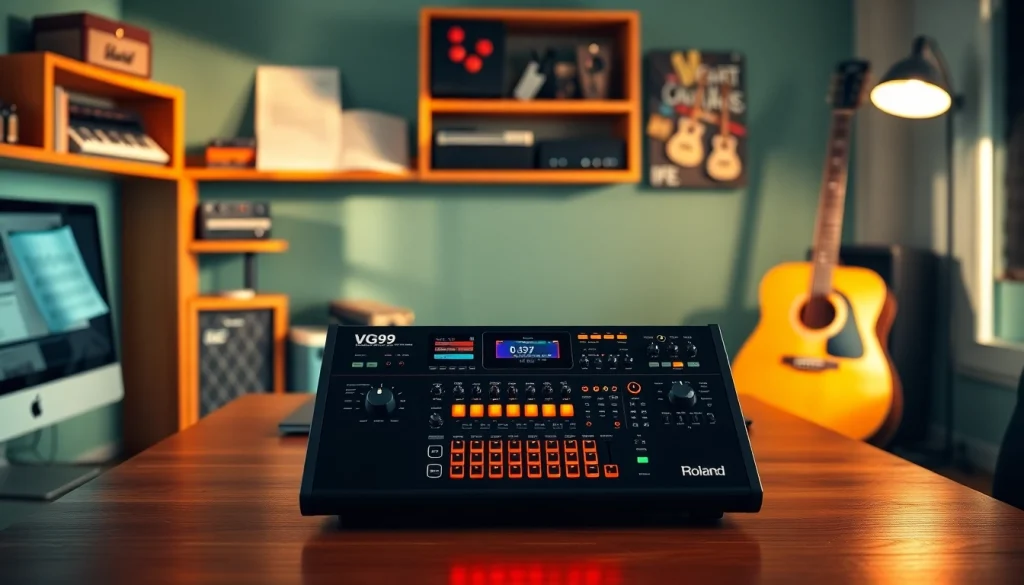
Introduction to the VG99: What You Need to Know
The VG99 is a revolutionary guitar modeling system that has transformed the way musicians approach performance and sound design. Offering cutting-edge technology alongside user-friendly interfaces, the VG99 stands as a testament to Roland’s innovation in the realm of digital audio. For guitarists seeking unparalleled versatility, understanding this powerful tool is essential. In this guide, we’ll dive deep into what makes the VG99 a favorite among artists and sound engineers alike.
What is the VG99?
The VG99 is an advanced multi-effects processor and guitar modeling system created by Roland. Designed for both studio recording and live performance, it allows guitarists to simulate a wide range of guitar sounds, amplifiers, and effects. Through its sophisticated technology, the VG99 enables players to explore different tonal possibilities, making it a staple for musicians who value innovation in their sound.
Key Features of the VG99 Guitar System
One of the foremost reasons the VG99 is revered in the music industry is its extensive array of features that cater to a variety of needs:
- Dual Engines: The VG99 incorporates dual processing engines, allowing for the simultaneous use of multiple effects, and enhancing sound design possibilities.
- MIDI and USB Connectivity: This system is equipped with MIDI capabilities and USB connectivity, facilitating seamless integration with digital audio workstations (DAWs) and external devices.
- Guitar to MIDI Conversion: The VG99’s ability to convert guitar signals to MIDI gives players the ability to control synthesizers and other digital instruments, expanding performance options.
- Customizable Sound Models: Users can create personalized guitar tones through built-in models that imitate various guitars, amplifiers, and effects.
- Comprehensive Effects Processing: The VG99 features numerous effects like reverb, delay, and modulation, providing situational flexibility for diverse genres.
Why Musicians Prefer the VG99
Musicians gravitate towards the VG99 due to its versatility, intuitive interface, and sound quality. Its ability to emulate classic and modern sounds makes it a universal tool for guitarists of all styles. Moreover, the onboard programmability means players can store and recall customized tones easily, making it particularly useful during live performances. Whether using it as a primary sound source or an effects unit, the VG99 meets a myriad of artistic requirements.
Setting Up Your VG99: A Step-by-Step Guide
Unboxing and Initial Setup
Setting up your VG99 is a straightforward process that begins with careful unboxing. Take note of the included components, such as the power supply, cables, and documentation. It’s crucial to find a suitable workspace that allows for efficient interaction with your guitar and other equipment:
- Remove the VG99 and stand from the box, ensuring you have everything needed.
- Place the unit on a stable surface and connect it to the power source.
- Read through the manual and familiarize yourself with the unit’s layout and functions before powering on.
Connecting to Your Instruments and Digital Audio Workstation
After the initial setup, the next step involves connecting the VG99 to your guitar and any digital audio workstations:
- Connect Your Guitar: Plug your guitar into the VG99 using a high-quality instrument cable. Ensure a secure connection for optimal sound quality.
- Link to a DAW: Use a USB cable to connect the VG99 to your computer, allowing for direct audio interfacing with your preferred DAW for recording and editing.
- Configure Settings: Once connected, configure the audio settings on your DAW to recognize the VG99 as a sound input device.
Adjusting the Settings for Optimal Performance
With all connections established, it’s time to fine-tune the settings on your VG99 for the best results. Here are some helpful tips:
- Navigate to the ‘Set Up’ menu and adjust input levels to avoid clipping.
- Select a preset sound model that resonates with your style and genre, ensuring you tailor it to suit your personal taste.
- Experiment with layering effects to discover a unique sound profile that enhances your performances.
Exploring the VG99’s Features: In-Depth Breakdown
Guitar Modeling Capabilities of the VG99
The VG99 excels in guitar modeling, offering diverse simulations of iconic guitars such as Stratocasters, Les Pauls, and countless others. This feature enhances creative expression by allowing musicians to capture the essence of multiple instruments within a single setup:
- Sound Profiles: The VG99’s sound profiles can deliver various pickup configurations, providing players with an authentic experience akin to playing different guitars.
- Alternate Tunings: This system allows players to experiment with alternate tunings without physically changing the string setup, enhancing songwriting and performance creativity.
- Real-Time Performance Controls: Musicians can interact with the model parameters in real-time, shaping their sound during performances or recordings intuitively.
MIDI and USB Connectivity Explained
The integration of MIDI and USB technologies in the VG99 enables a broader sound manipulation landscape:
- MIDI Functionality: With MIDI capabilities, the VG99 can trigger other MIDI devices, including synthesizers and drum machines, making it a powerful component in any studio or live setup.
- USB Audio Interface: The built-in USB audio interface allows for high-fidelity sound transmission to your computer, simplifying the process of recording and mixing.
- Firmware Updates: Regular updates via USB keep the VG99 current with the latest software enhancements and bug fixes, ensuring optimal performance over time.
Effects Processing with the VG99
The VG99’s effects processing capabilities are robust, providing a wide range of options to modify sound dramatically:
- Multi-Effects Processing: Users can combine various effects like chorus, flanger, and delay simultaneously, allowing for rich soundscapes that can be adjusted to fit any musical context.
- Customizable Effects Chains: The flexible routing options enable musicians to create a personalized effects chain, giving them complete control over their sound.
- Saving Presets: Musicians can save their effect settings as presets, making it easy to switch between different sound mods during performances.
Common Challenges and Troubleshooting for the VG99
Addressing Common Setup Issues
While the VG99 is designed to be user-friendly, users may encounter a few common challenges during setup:
- Disconnected Input: Ensure that all cable connections are secure and properly made. If sound input issues arise, double-check your connections.
- Latency Issues: If you’re experiencing time delays while playing, check the buffer settings in your DAW. Opt for lower buffer sizes for real-time performance.
- Power Supply Problems: If the unit fails to power on, inspect the power supply unit and outlet. Try using a different outlet to rule out electrical issues.
Maintaining Your VG99: Tips and Tricks
To ensure that your VG99 operates at peak performance, regular maintenance is advisable:
- Firmware Updates: Regularly check for firmware updates on the Roland website to benefit from improved features and bug fixes.
- Keep Clean: Periodically clean the exterior and screens to prevent dirt accumulation and ensure clear visibility during use.
- Manage Preset Organization: Regularly back up your presets and organize them logically within the system for quick reach during performances.
When to Seek Professional Support
In some instances, it may be necessary to seek professional support for your VG99. Consider consulting customer support when:
- Extensive issues persist even after troubleshooting.
- You notice hardware malfunctions or unusual sounds not related to settings.
- Firmware updates are overly complex or inaccessible.
The Future of Guitar Modeling: VG99 and Beyond
Comparison with Newer Models and Systems
As technology evolves, the VG99 holds its ground against newer models, including the Boss SY-1000 and others, by providing unique offerings that appeal to different audiences:
- Price Point: The VG99 typically engages a strong price-performance ratio, making it accessible to a broad range of musicians.
- Community Feedback: Feedback from VGuitar forums highlight a thriving community that continuously supports existing users, providing a wealth of shared experiences and setups.
- Mature Technology: While newer models may introduce innovations, the tried-and-true functionality of the VG99 retains its reputational strength among seasoned musicians.
Trends in Guitar Technology and How VG99 Fits In
The future of guitar technology continually shifts towards integration, with more devices adopting AI and machine learning. The VG99’s forward-looking design aligns well with these trends:
- AI Integration: Future iterations might leverage machine learning for more adaptive and responsive sound profiles based on user preferences.
- Collaboration with Software: Increased compatibility with software such as modeling plugins could create a hybrid experience for sound manipulation.
- Community Innovations: User inputs and community-driven improvements can influence the future developments of the VG99 system.
User Community and Resources for VG99 Owners
The VG99 boasts a dedicated community of users who share insights and resources, enabling collaborative learning and skill-building:
- Forums and Online Communities: Websites like VGuitar Forums offer a plethora of information, tips, and personal experiences from other VG99 users.
- Tutorial Videos: Platforms like YouTube have extensive tutorials that provide visual learning opportunities on how to utilize the VG99 effectively.
- User-Generated Presets: Many users share their custom presets online, allowing beginners to explore diverse sounds and settings without starting from scratch.