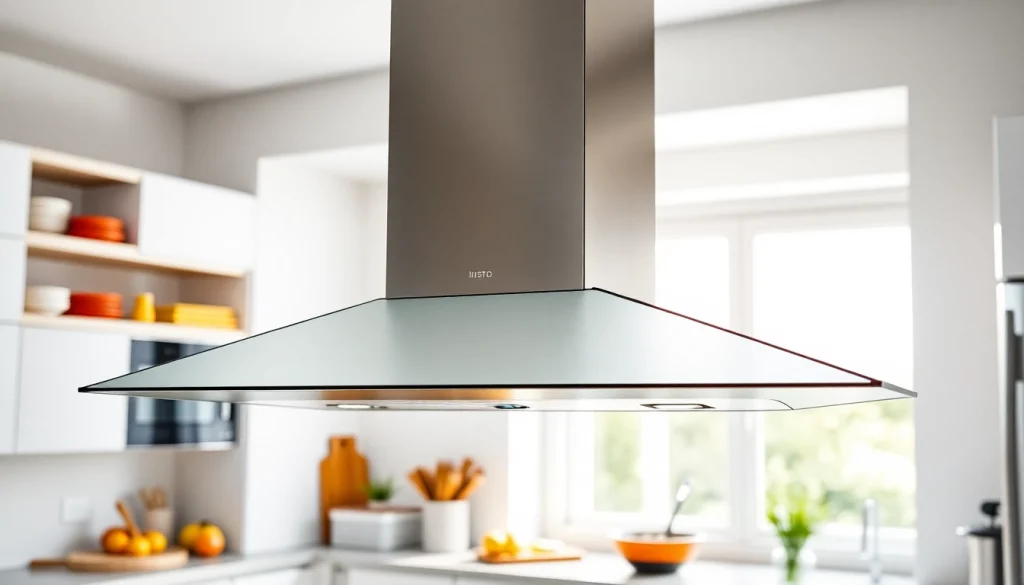
1. Understanding Portable Cooker Hoods
What is a Portable Cooker Hood?
A portable cooker hood is a versatile kitchen ventilation device designed to capture smoke, grease, and odors produced during cooking. Unlike traditional range hoods, which are typically fixed installations, portable cooker hoods can be easily moved and utilized in different locations within the home or while traveling. This flexibility makes them ideal for small kitchens, temporary setups, or when cooking outdoors.
Benefits of Using a Portable Cooker Hood
Portable cooker hoods come with numerous benefits that make them an increasingly popular choice among home cooks:
- Efficient Air Purification: They efficiently filter out smoke, odors, and airborne grease, ensuring a cleaner cooking environment.
- Space-Saving Design: Their compact size makes them perfect for kitchens with limited space.
- Easy Storage: When not in use, they can be easily stored away, taking up minimal space.
- Mobility: Users can easily transport them to different areas of the home or take them along while camping or traveling.
- Affordability: Generally, portable hoods are more economical compared to traditional wall-mounted or island hoods.
Common Features of Portable Cooker Hoods
Portable cooker hoods come with various features tailored to enhance user experience:
- Adjustable Speeds: Many models offer multiple speed settings, allowing users to control the airflow based on their needs.
- Built-in Filters: Activated charcoal or grease filters help trap unwanted particles and purify the air effectively.
- LED Lighting: Some portable hoods equipped with LED lights can illuminate the cooking area, providing better visibility.
- Noise Levels: Noise-reducing technology is often integrated to ensure quieter operation.
- Portable Design: Designed for easy mobility, they often feature lightweight and durable materials.
2. Choosing the Right Portable Cooker Hood
Factors to Consider When Buying
When shopping for a portable cooker hood, several factors should be taken into account:
- Size and Weight: Ensure the hood’s dimensions suit your kitchen layout and cooking requirements. Lightweight models offer better portability.
- Airflow Capacity: Consider models with an appropriate CFM (Cubic Feet per Minute) rating for your cooking volume.
- Filter Type: Options exist for charcoal filters, stainless steel grease filters, and washable filters. Choose based on maintenance preferences.
- Power Source: Decide between corded models or battery-operated ones, depending on your cooking environment.
- Design and Aesthetics: Select a unit that complements your kitchen’s overall style.
Top Brands and Models Available
Several brands lead the market in portable cooker hoods, offering reliable options:
- Ciarra: Known for its innovative designs, Ciarra’s portable cooker hood combines efficiency and style, making it a popular choice for small kitchens.
- AirHood: This uniquely designed hood is celebrated for its advanced air filtration capabilities and low noise levels, catering to both professional chefs and home cooks.
- Sharper Image: Offers compact designs aimed at immediate installation and effective ventilation.
User Reviews and Performance Ratings
User feedback is invaluable when considering a portable cooker hood. Many customers have left positive reviews highlighting:
- Effectiveness: Many users report significant reductions in smoke and odors, making cooking more enjoyable.
- Quiet Operation: Users appreciate models that operate quietly, allowing them to focus on their culinary creations without distraction.
- Ease of Cleaning: Consumers favor hoods that are easy to disassemble and clean—critical for maintaining hygiene and efficiency.
3. Installation and Maintenance Tips
How to Set Up Your Portable Cooker Hood
Setting up a portable cooker hood is straightforward. Here’s how you can do it:
- Choose a Location: Position the hood over your cooking area, ensuring it’s within reach of a power socket.
- Assemble the Unit: Follow the manufacturer’s guidelines to assemble any necessary components before use.
- Connect Power: For corded models, plug in the unit. For battery-operated versions, ensure it’s sufficiently charged.
- Test Functionality: Run the hood at various speed settings to confirm functionality before cooking.
Routine Maintenance Practices
Proper maintenance extends the life of your portable cooker hood:
- Regular Cleaning: Clean filters according to manufacturer guidelines to maintain airflow efficiency.
- Check for Signs of Wear: Inspect cords and components for damage regularly.
- Store Properly: When not in use, store in a dry place to prevent moisture buildup and rust.
Troubleshooting Common Issues
Even the best portable cooker hoods may encounter problems. Here are some common issues and solutions:
- Low Airflow: Check and clean filters. Clogged filters hinder airflow.
- Unusual Noises: Ensure the unit is placed on a stable surface and inspect the fan for obstructions.
- Odor Persistence: If bad odors linger, consider replacing the charcoal filter or changing the air setting.
4. Maximizing Efficiency in Your Kitchen
Using a Portable Cooker Hood Effectively
To maximize the effectiveness of a portable cooker hood, consider the following tips:
- Turn on Prior to Cooking: Activate the hood before you begin cooking to capture odors from the outset.
- Adjust Heights: Position the hood at the correct height over cooking surfaces for optimal performance.
- Maintain Consistent Speed: Select a speed that matches your cooking intensity to facilitate efficient airflow without excessive noise.
Combining with Other Kitchen Appliances
Portable cooker hoods can be effectively paired with various kitchen appliances to enhance your cooking experience:
- Induction Cookers: These often generate less heat and smoke compared to traditional gas cooktops, making a portable hood the perfect complement.
- Air Fryers: As these devices can produce strong smells, a portable hood can assist in maintaining air quality.
- Grills: Outdoor grills can benefit significantly from portable hoods, particularly in ventilating smoke.
Environmental Benefits of Cleaner Air
Using portable cooker hoods not only improves indoor air quality but also contributes to environmental benefits:
- Reduction of Indoor Pollutants: Efficient filtration leads to fewer harmful particles in the air, promoting better respiratory health.
- Sustainable Practices: By using less energy than traditional hoods, portable models contribute to a lower carbon footprint.
- Improved Cooking Conditions: Enhanced ventilation helps mitigate the effects of heat buildup, making cooking a more pleasant and safe experience.
5. Future Trends in Kitchen Ventilation
Innovations in Portable Cooker Hood Technology
The future of portable cooker hoods is bright, marked by continuous innovations that aim to enhance performance:
- Smart Technology Integration: Future models may include smart features, such as app connectivity, allowing users to monitor and control their hoods remotely.
- Enhanced Filtration Systems: Advancements in filter technology, including HEPA filters, promise to capture even smaller particles and allergens.
- Energy-Efficient Designs: Innovations focused on reducing energy consumption while maximizing suction capability are likely to develop.
Design Trends for Modern Kitchens
As kitchen design trends evolve, portable cooker hoods must adapt. Current trends include:
- Minimalist Aesthetics: Sleek, streamlined designs without unnecessary bulk are preferred in modern homes.
- Color Variety: Offering a range of colors and styles to match diverse kitchen decors has become essential.
- Multi-functional Designs: Portable hoods that exhibit versatility, such as dual-functionality with built-in lighting, are gaining popularity.
Consumer Preferences and Market Insights
Market research underscores the changing preferences of consumers regarding kitchen ventilation:
- Focus on Health: Consumers are increasingly prioritizing health and wellness, driving demand for products that ensure cleaner air quality.
- Compact Solutions: As urban living spaces continue to shrink, there is a heightening need for compact, portable appliances.
- Value for Money: Budget-conscious consumers seek affordable yet high-performing options, highlighting the importance of accessibility in marketing strategies.